Inside Jinpeng LCD SMT Cleanroom | Six Precision Processes Forge a High-Definition Quality Core
2026-08-03 09:06:49
A crystal-clear, stable-performance LCD module is backed by extremely refined smart manufacturing processes. Step into Jinpeng SMT production cleanroom, where in a clean and tidy production environment every process is precisely controlled and closely linked, sculpting every detail with strict craftsmanship to lay a solid quality foundation for premium LCD modules.
Today, let us take you on an immersive journey to understand the entire LCD SMT production flow. Six core processes reveal how high-end display products are born!
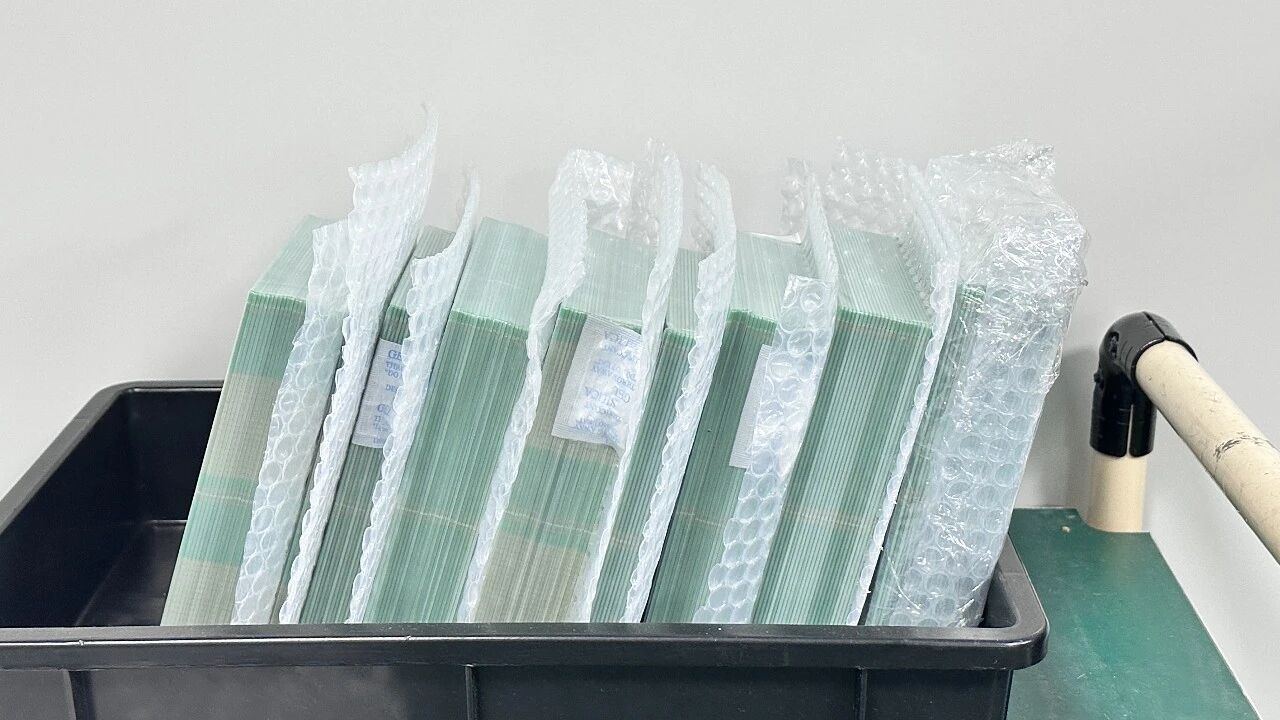
Production begins with precise preparation. The workshop strictly checks materials against production orders, and accurately collects full sets of raw materials such as PCB substrates, driver chips, resistors and capacitors, and solder paste. Staff members inspect each material's model, specification, and appearance to prevent wrong or defective materials from entering the production line. Standardized material control, sorted storage, and orderly feeding ensure a smooth production flow from the very start, laying a solid foundation for the subsequent mounting process.
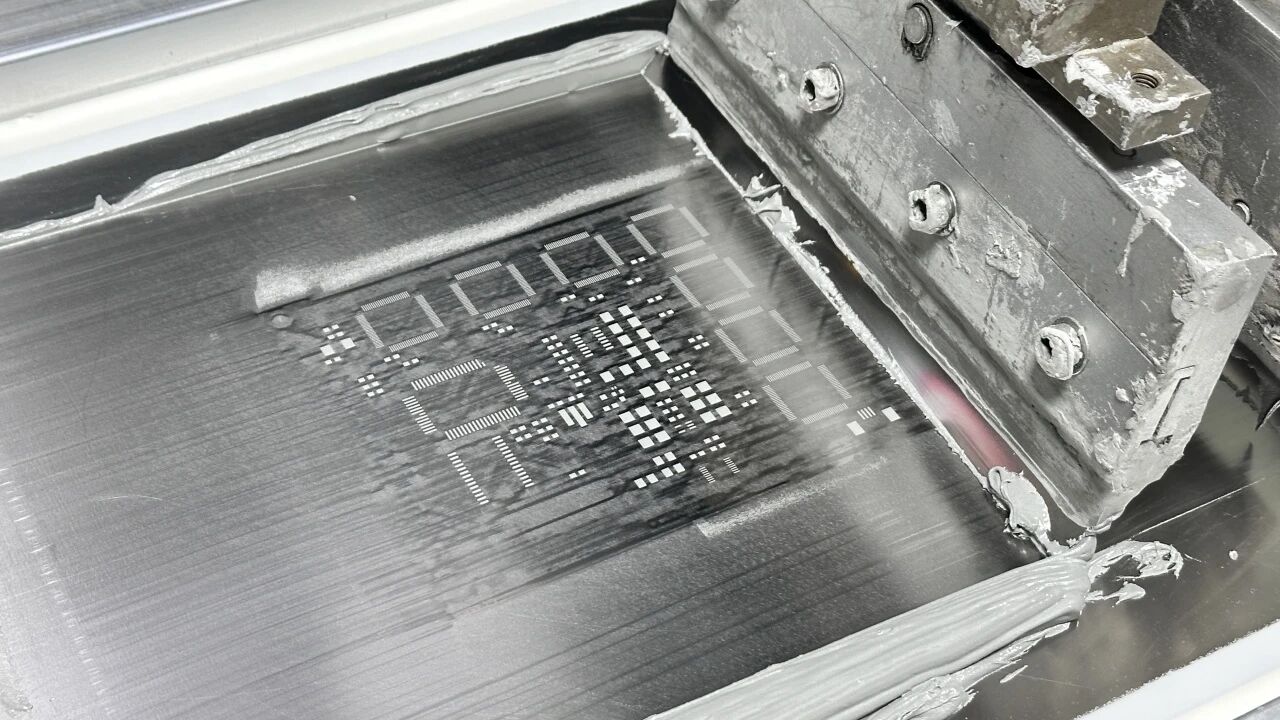
Solder past printing is the most critical step in the SMT process, directly determining the follow-up soldering quality. The automatic printer works with a dedicated precision stencil. By precisely controlling squeegee pressure, printing speed, and alignment accuracy, the solder paste is evenly, flatly, and accurately applied onto the designated pad areas of the PCB. Issues such as paste shift, insufficient solder, excess solder, and smearing are completely avoided, ensuring every pad has uniform thickness and precise placement, thereby providing reliable support for component mounting and welding.
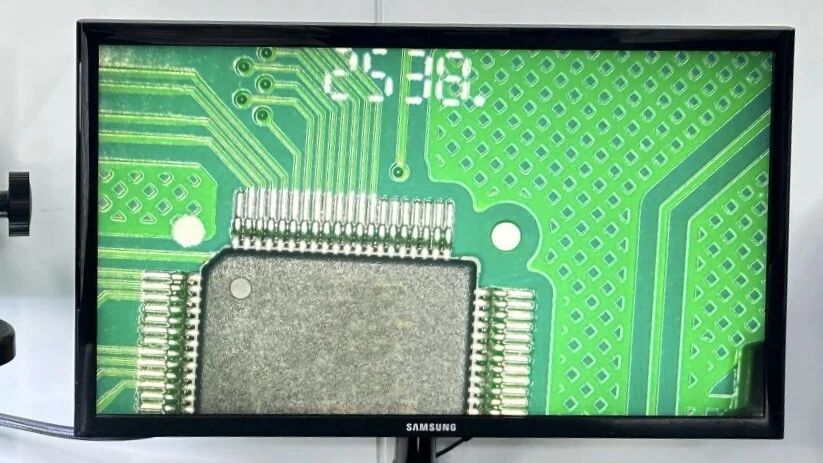
First-article inspection is a critical front-line check to prevent mass defects. After the printing process, QC inspectors conduct comprehensive tests on the first PCB, carefully checking solder paste placement, thickness, and uniformity, and observing for missing prints, misalignment, and solder bridges. They also verify whether the process parameters meet the standard. Only when the accuracy fully complies with production standards does batch production commence, locking in process stability from the start.
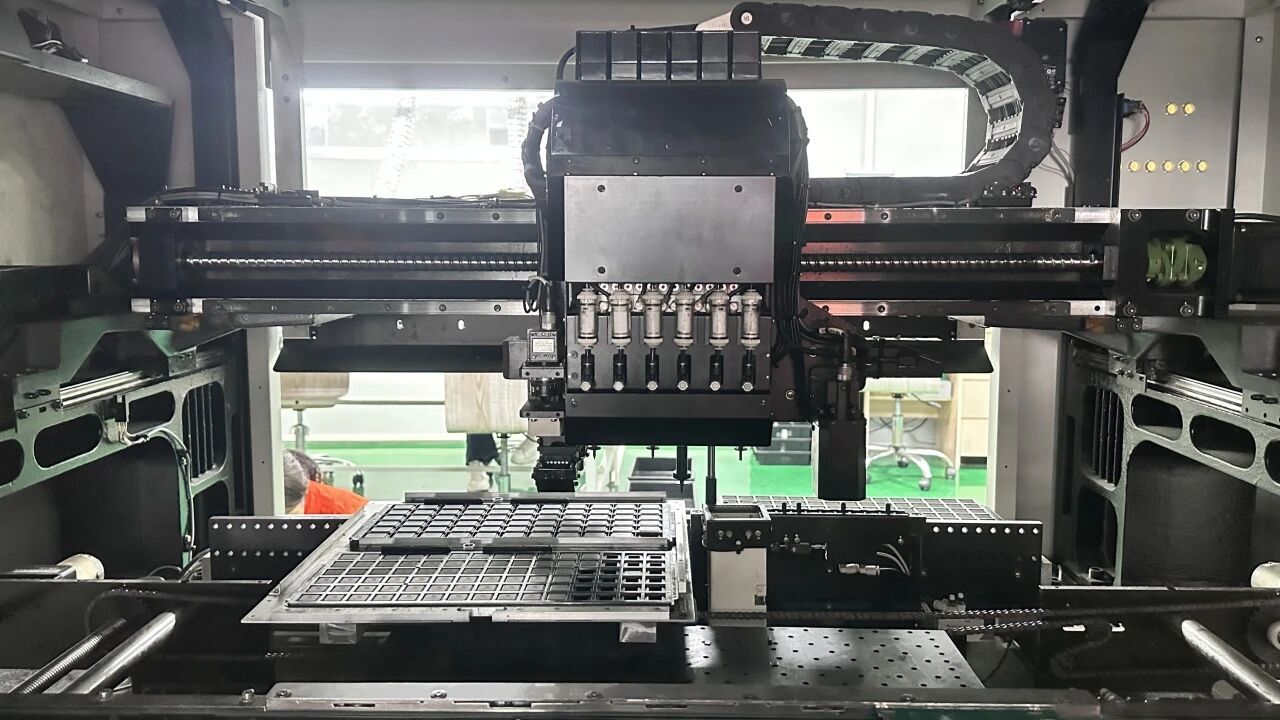
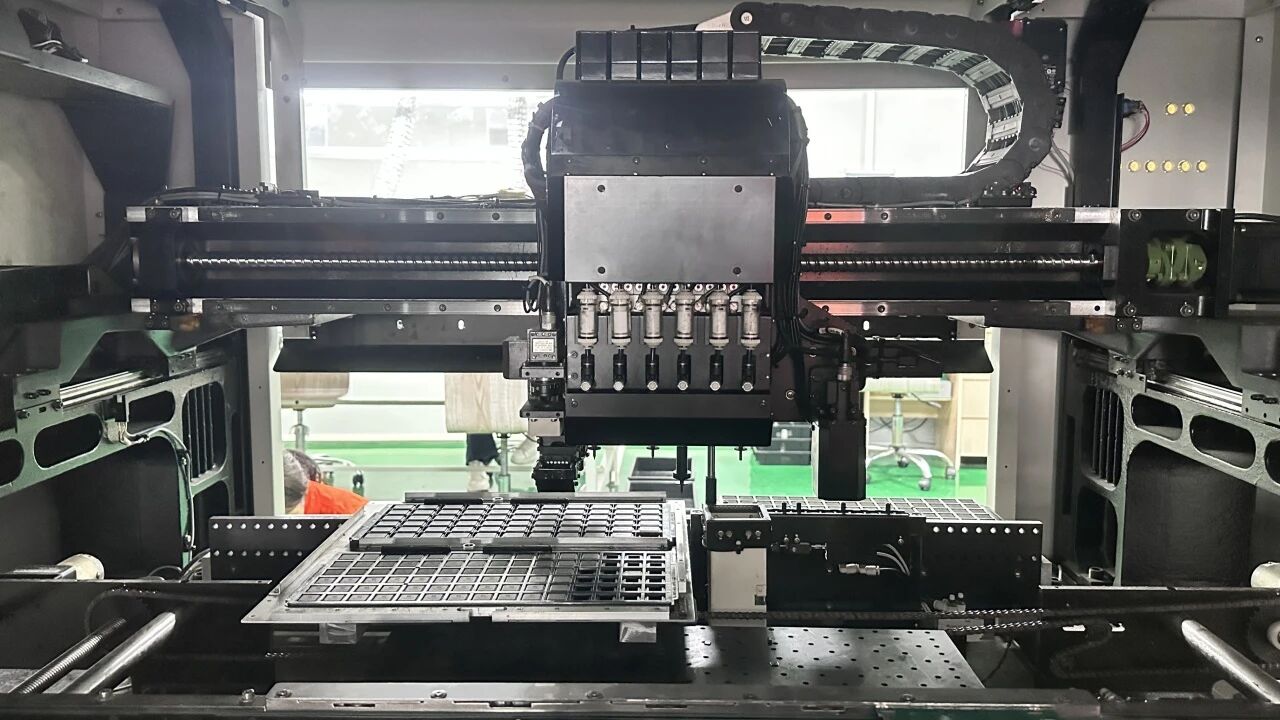
Precision placement creates an advanced manufacturing capability. High-speed, fully automatic placement machines accurately pick up a wide variety of micro electronic components and, using high-precision visual positioning systems, precisely place chips, resistors, capacitors, and other components on the PCB positions pre-printed with solder paste. With micron-level placement accuracy, the machines fit the compact circuit layout of LCD modules, enabling high-density mounting at high speed and precision without position misalignment, missed parts, or wrong mounts. Each board is laid out neatly and components are placed with high precision.
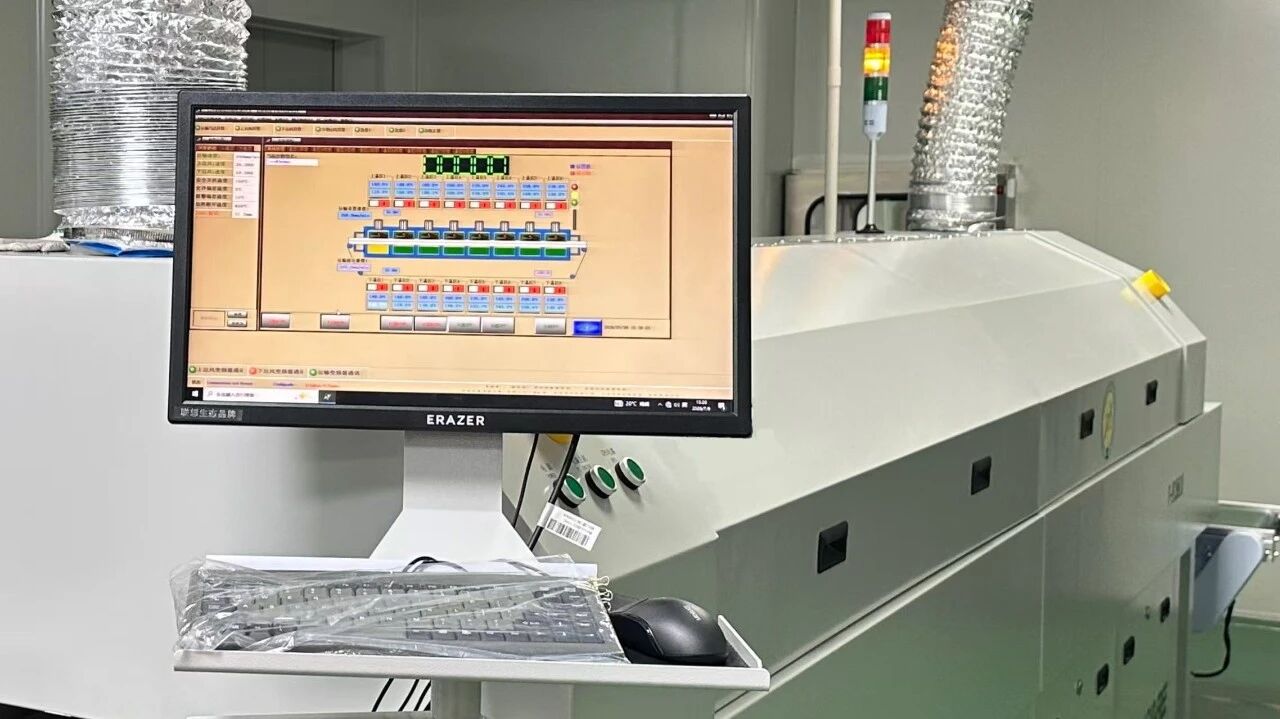
The assembled PCB boards are automatically sent into the reflow soldering furnace for precise soldering. The reflow soldering process strictly follows a four-temperature-zone standard of preheating, leveling, rejuvenating, and cooling. The furnace temperature is precisely controlled so that the solder paste melts evenly, wets the pads, and allows the components to securely bond and solidify with the PCB. With accurate and stable temperature control, problems such as insufficient soldering, false soldering, bridge connections, and pad oxidation are effectively avoided, ensuring each soldered point is full and solid with steady electrical conductivity, reinforcing a solid foundation for product lifespan and performance.
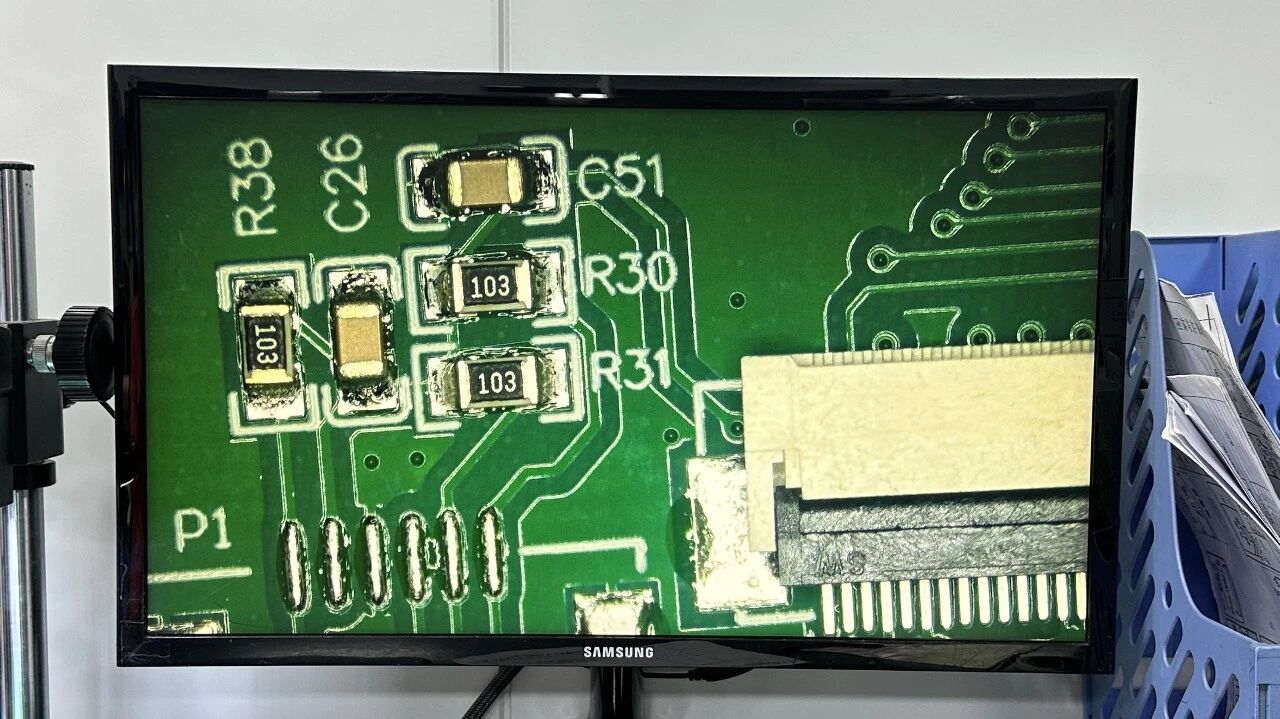
After the entire soldering process, final quality inspection begins. Quality control inspectors, combining manual inspections with professional detection equipment, conduct comprehensive checks on finished boards, carefully examining soldering quality, component placement precision, and circuit integrity. Problems like bridging, empty soldering, component damage, and misplacement are ruthlessly rejected. With strict screening and multiple layers of control, every feasible board is passed forward, preventing defective products from entering the following steps and ensuring every LCD module offers stable and outstanding quality.
Every process is fine-tuned, and every fine detail is rigorously controlled. Using a standardized and refined SMT process, Jinpeng delivers high-quality, high-stability LCD modules, empowering brilliant output for every high-definition screen. Zhaoqing Jinpeng Industrial Co., Ltd. specializes in the R&D, design, production, and sales of liquid crystal display modules. We offer a wide selection of over a thousand types of LCD modules, including SMT, COB, TAB, and COG, and we provide custom software and hardware services. Welcome to contact us for details.