Inside Jinpeng LCD Assembly Workshop | Seven Core Processes: See the Entire Birth of a High-Quality Display Screen
2026-08-03 14:15:41
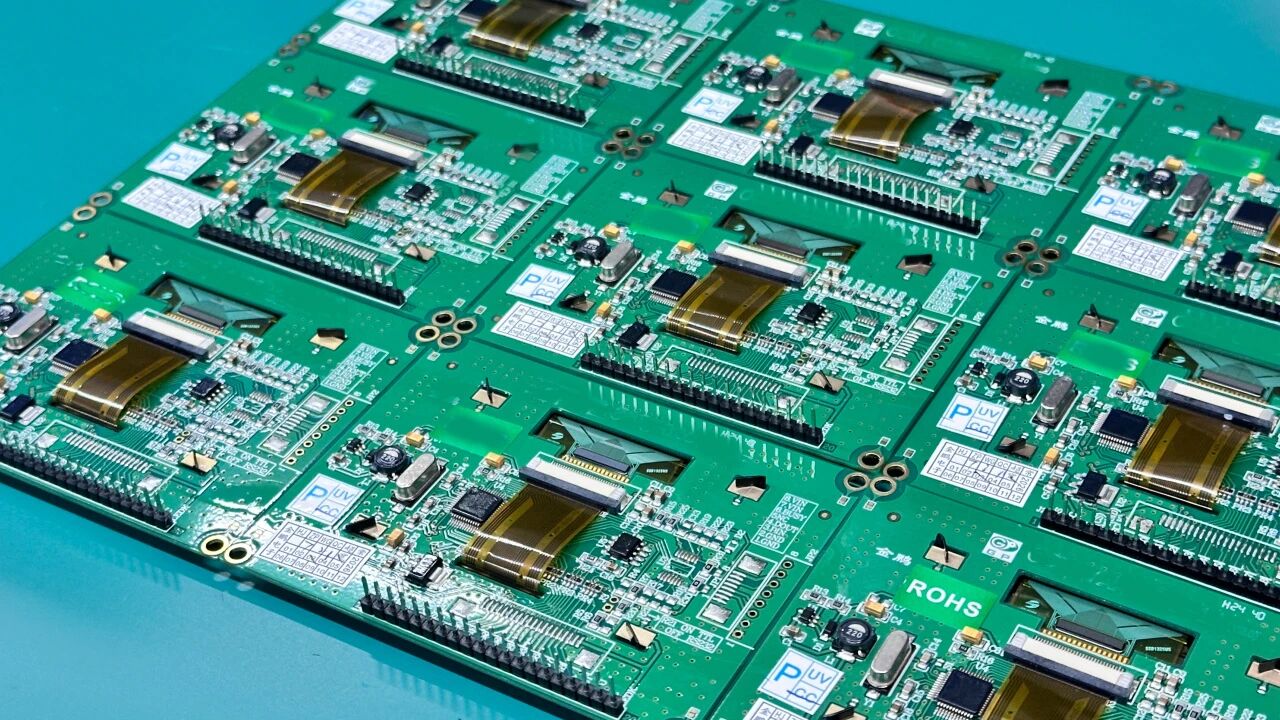
From the precision circuit foundation of SMT and COB to the complete assembly in the workshop, an LCD module officially transforms from a semi-finished product into a complete finished product.
If the preceding processes are about polishing the "core," then the assembly workshop is the final forging ground for overall product quality. With clean-environment operations, standardized assembly, and multiple inspections, every step safeguards the screen's picture quality, stability, and durability.
Today, we take you on an immersive tour of the LCD module assembly workshop. Seven core processes show you the entire birth of a high-quality display screen.
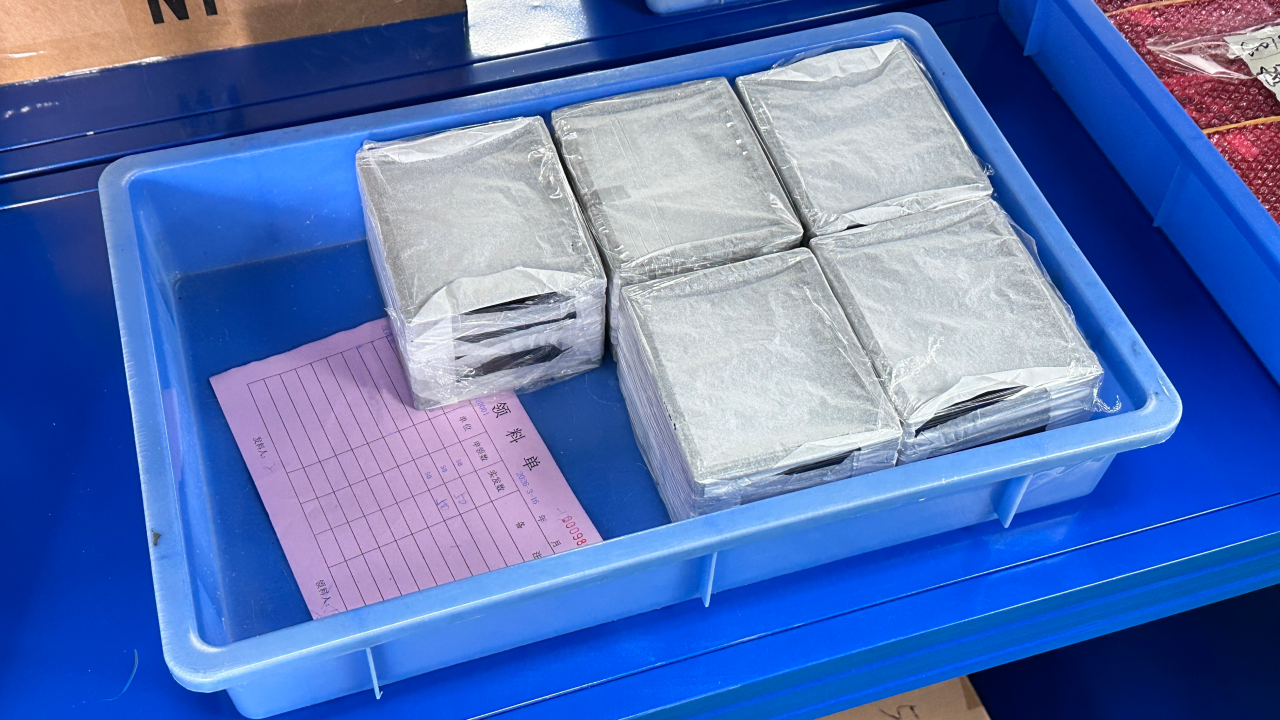
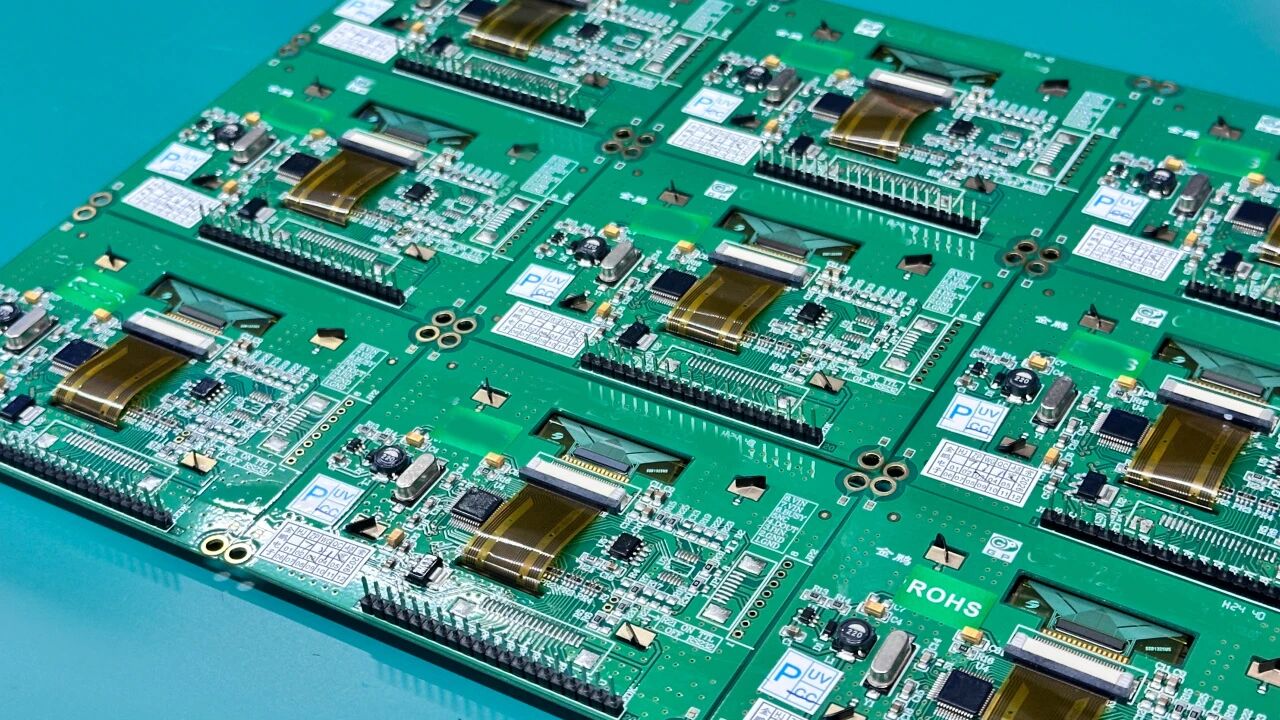
At the start of production, the workshop strictly follows production work orders for standardized material picking, precisely retrieving the full set of supporting materials including COB semi-finished products, backlights, housings, plastic parts, and auxiliary materials. Staff members check material models, appearance, and specification parameters one by one, strictly screening out defective materials with scratches, stains, or damage.
All materials are sorted and organized for orderly line feeding, preventing wrong or defective materials from entering the production line at the source, building a solid quality foundation for subsequent standardized assembly, and ensuring efficient, orderly, and precise production across the entire line.
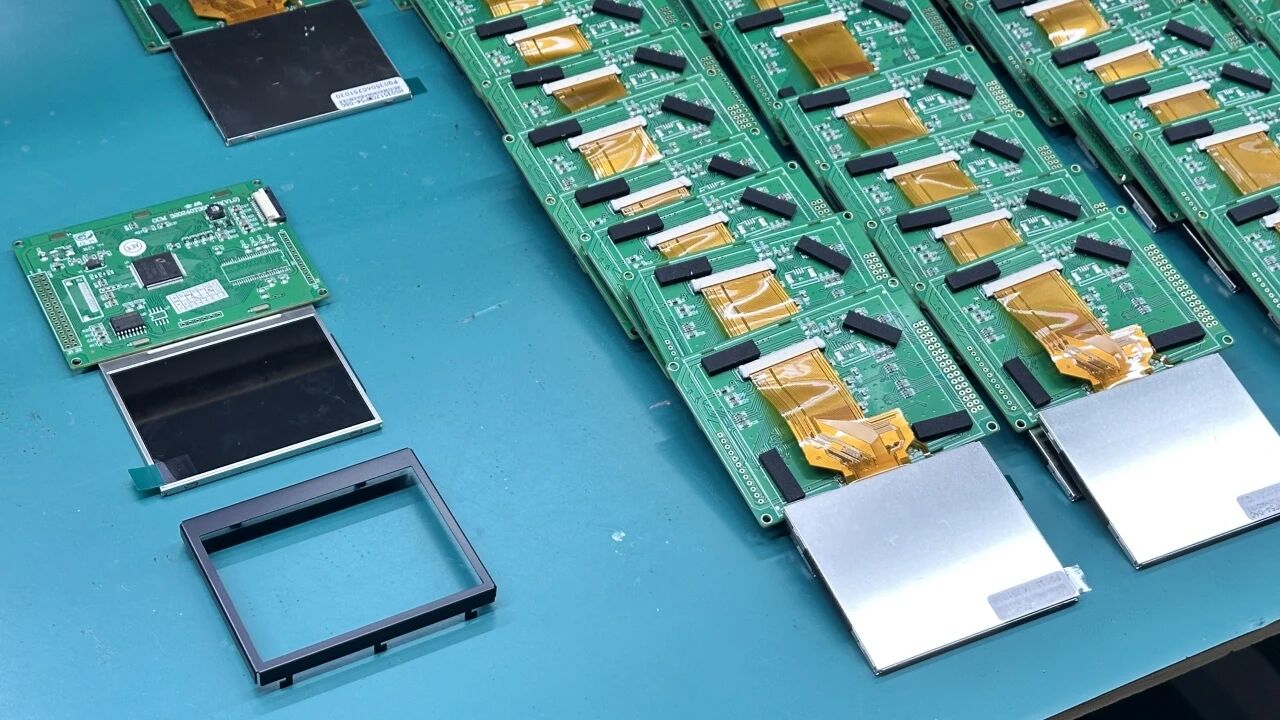
Assembly is the core step in module forming, following standardized operating procedures throughout. In a dust-free environment, operators precisely assemble, align, bond, and fasten components such as LCD panels, backlight assemblies, circuit boards, and frame structures.
From internal structure splicing to exterior assembly, assembly gaps, bonding flatness, and fastening firmness are strictly controlled throughout to eliminate issues such as looseness, misalignment, and improper assembly. This ensures every module has a neat structure and tight bonding, completing the full transformation from semi-finished to finished product.
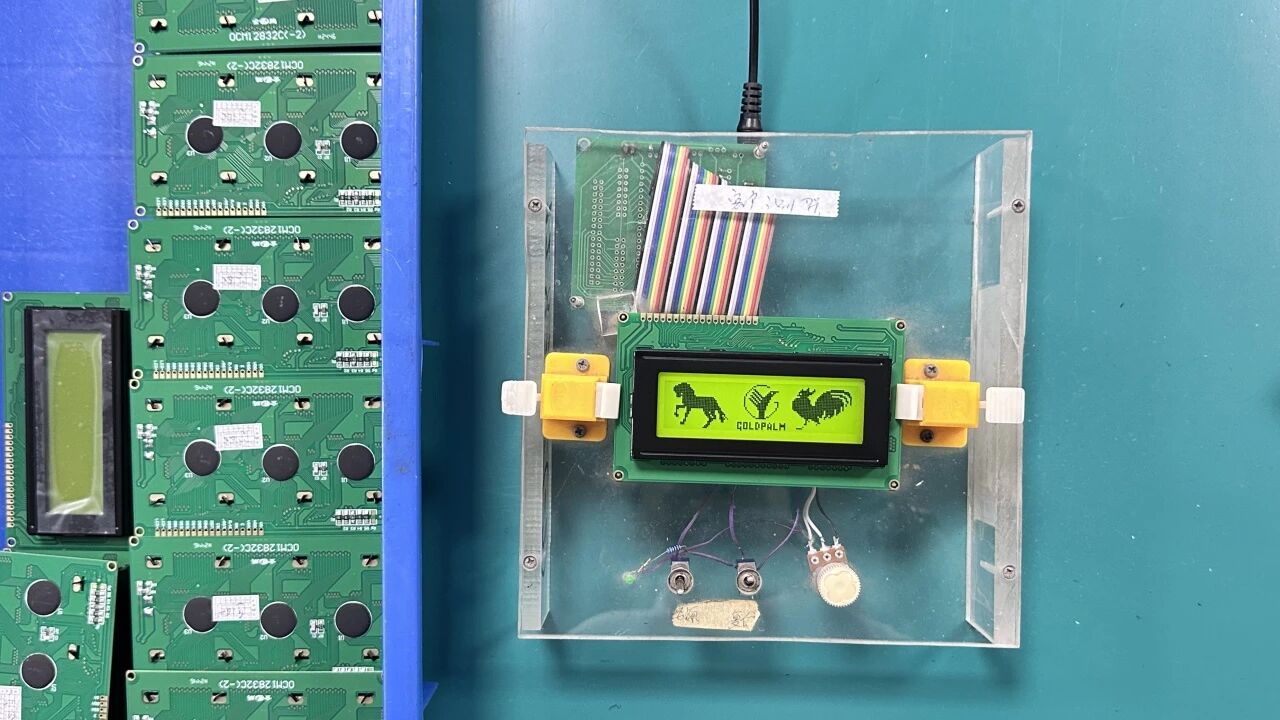
Once assembly is complete, the first round of OC screen inspection begins immediately to lock in basic display quality. Quality inspectors power on the screen and check the display status from all angles, carefully identifying issues such as bright spots, dark spots, light leakage, color deviation, screen flicker, screen distortion, and black screens.
Through this strict initial screening, defective units caused by assembly are promptly removed, ensuring that products moving to the next process have intact display functionality and meet picture quality standards, controlling the basic quality at the mid-stage.
Products that pass the initial inspection enter a dedicated special process strengthening stage. According to product production standards, modules undergo targeted treatments such as reinforcement, dust-proofing, moisture-proofing, bonding optimization, and appearance refinement to address detail shortcomings.
This process is key to improving product adaptability and durability. It effectively optimizes overall structural stability, enhances the module's resistance to impact and interference, makes the product more suitable for various terminal use scenarios, and greatly improves overall quality and service life.
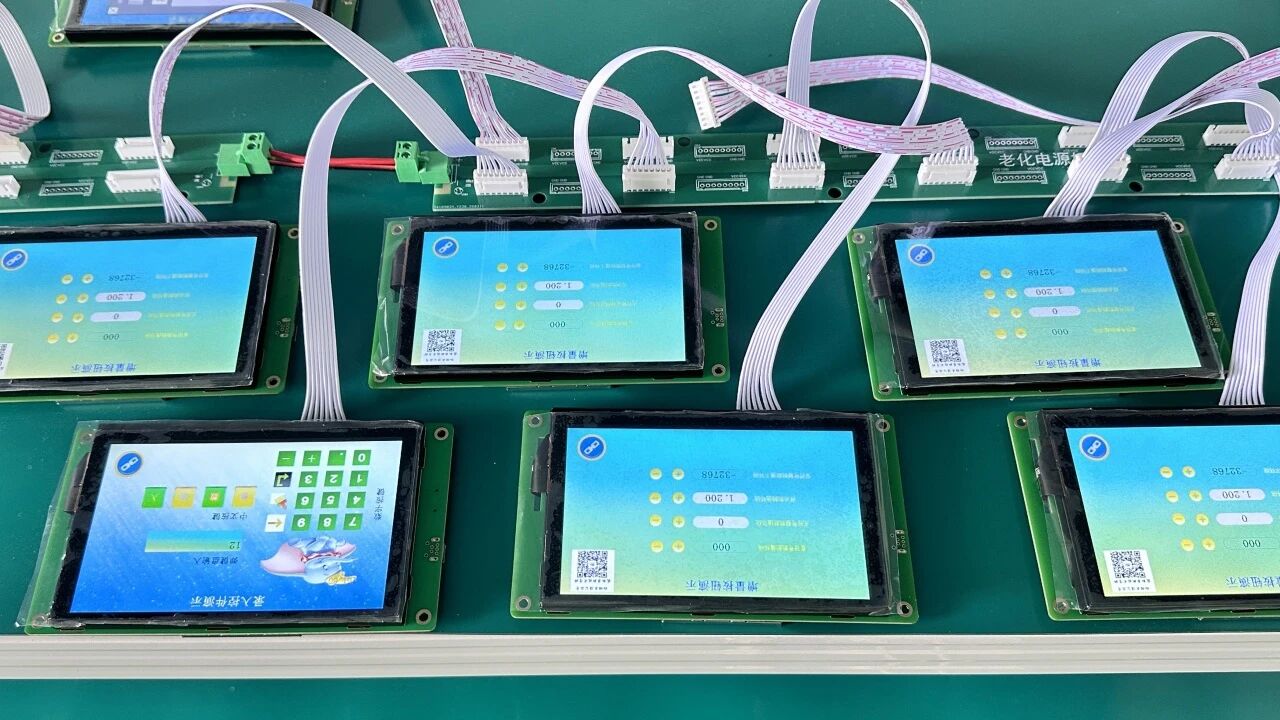
The true test of quality is aging testing. After process optimization, modules are sent into aging test equipment for extended continuous power-on operation tests.
By simulating long-term, high-intensity real-world usage conditions, the display stability and circuit operation are continuously monitored, precisely capturing hidden faults, intermittent flickering, brightness decay, unstable circuits, and other issues that are difficult to detect in short-term tests. This thoroughly screens out products with unstable performance, ensuring that shipped products can withstand long-term use.
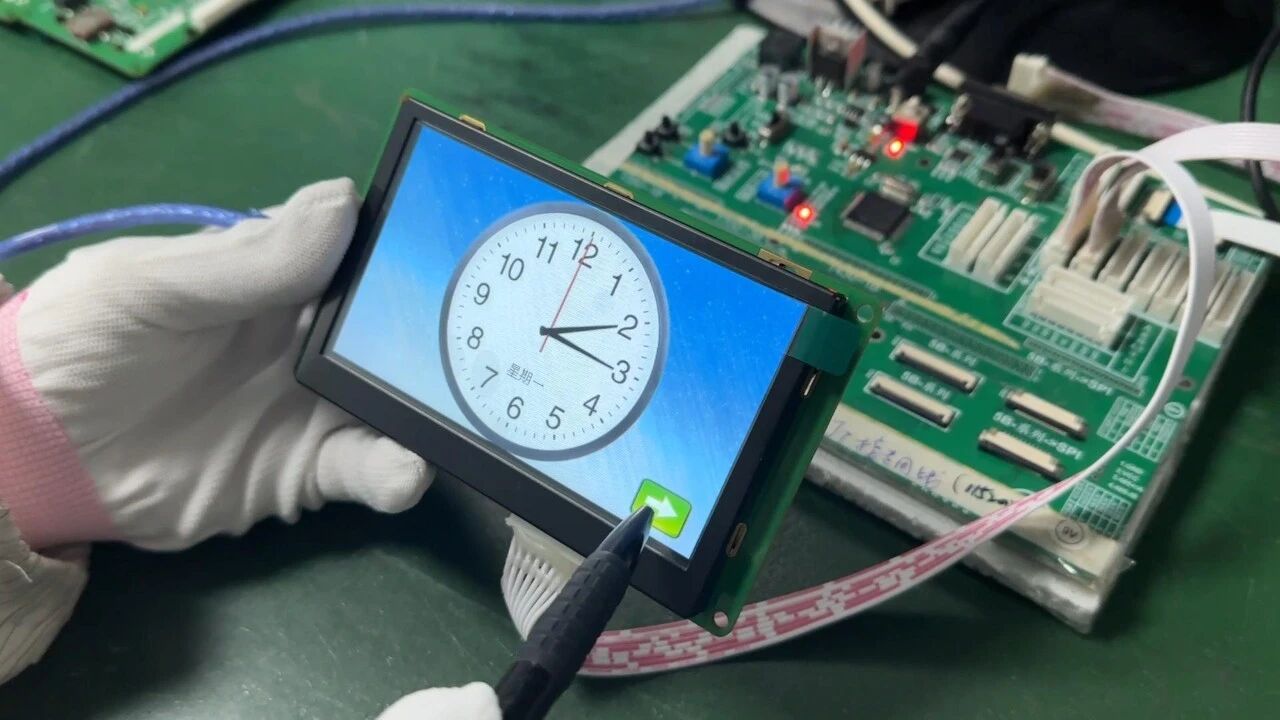
After aging testing, a rigorous second full OC inspection is conducted as the final picture quality review before shipment. Quality inspectors power on and inspect again from all angles, rechecking brightness, color, uniformity, and clarity, while also examining appearance, assembly details, and functional completeness.
Compared with the initial inspection, the second inspection has stricter standards, focusing on potential defects that appear after aging. With dual checks and layer-by-layer filtering, it ensures every module has uniform picture quality, smooth display, intact appearance, and stable performance, meeting factory quality standards.
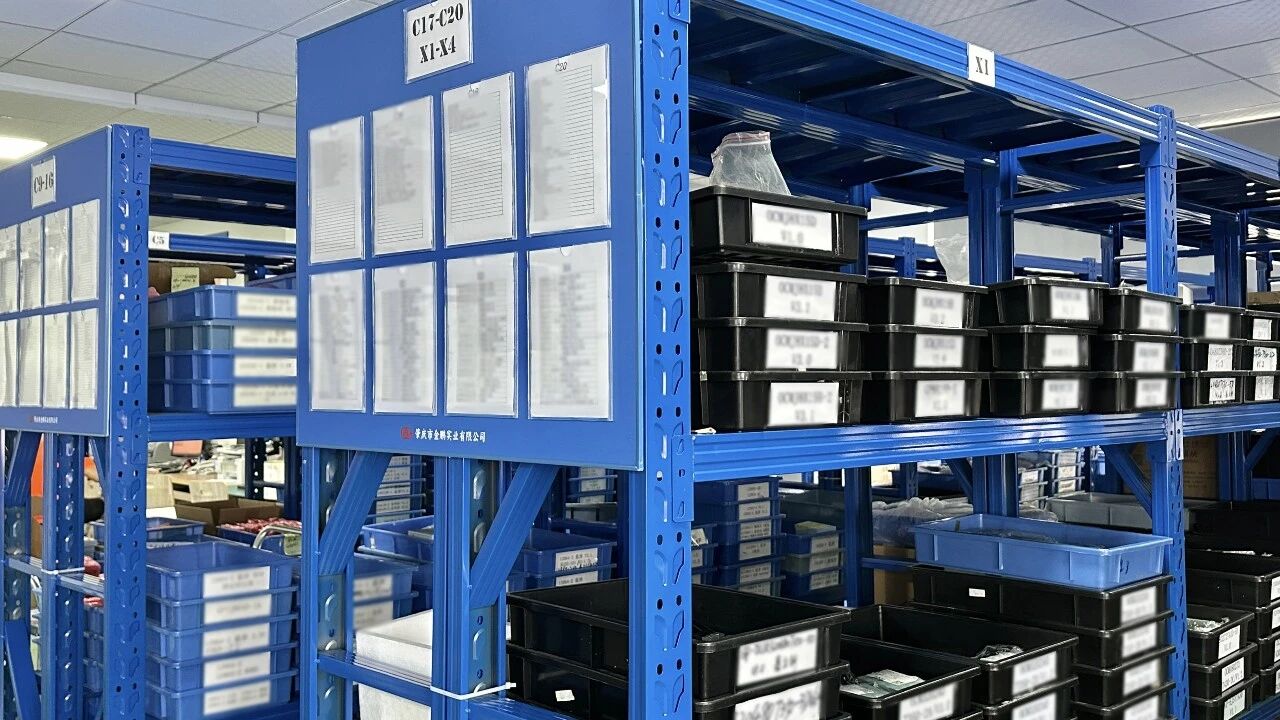
All high-quality finished modules that pass inspection are cleaned, film-covered, and protective-packaged, then registered, sorted, and neatly stored in the finished goods warehouse. The warehouse implements dust-proof, moisture-proof, constant-temperature, and standardized storage management, with partitioned placement and clear records for traceability.
The standardized finished-goods storage model not only protects the appearance and performance of every product but also ensures efficient and orderly order shipping, completing the full closed loop from production to warehousing.
Every good screen is crafted with ingenuity. From orderly material picking and fine assembly to dual OC picture quality inspection, from process strengthening and rigorous aging testing to compliant finished product warehousing, seven progressive precision processes ensure quality through attention to detail and excellence through craftsmanship. Zhaoqing Jinpeng Industrial Co., Ltd. specializes in the R&D, design, production, and sales of LCD modules, offering customers thousands of SMT, COB, TAB, and COG LCD modules, as well as personalized software and hardware customization services. Welcome to learn more and inquire.